
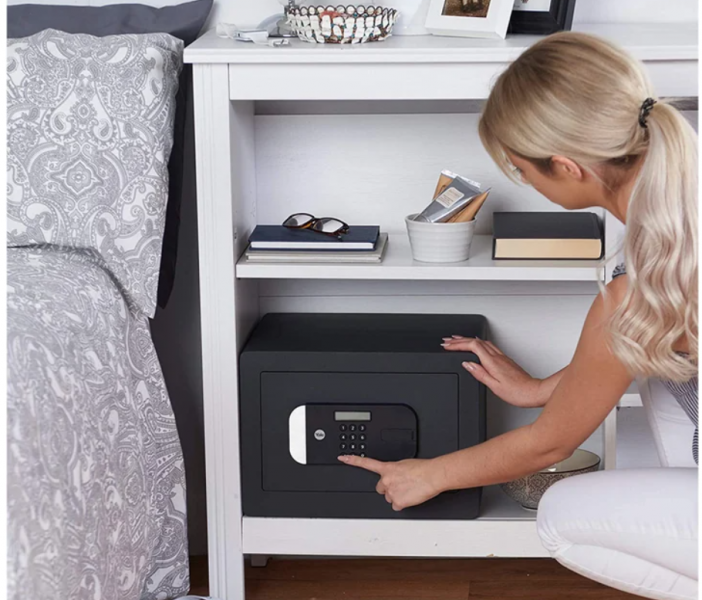
A home safe is one of the most effective ways to protect your most valuable and important possessions from theft, fire, and accidental loss. While many people purchase a safe for cash or jewellery, there are plenty of other items that should also be securely stored at home.
From important documents and digital backups to sentimental valuables, choosing the right items to keep in a home safe can give you peace of mind and help protect against unexpected emergencies. In this guide, we explain what you should keep in a home safe and why secure storage matters.
Important Documents
Home safes are ideal for protecting essential paperwork. Replacing important documents can be time-consuming, expensive, and stressful, especially after theft, fire, or water damage. Documents usually stored in a home safe include:
- Passports
- Birth certificates
- Marriage certificates
- Driving licences
- Property deeds
- Insurance documents
- Wills
- Bank paperwork
- Tax records
We’d recommend a fireproof safe for storing paper documents to help protect them from heat and smoke damage. View our range: Fireproof Safes
Cash and emergency money
Many homeowners keep emergency cash securely stored in a safe for unexpected situations. While large sums of money should not usually be kept at home long-term, a home safe can give you temporary protection for:
- Emergency cash
- Foreign currency
- Spare household funds
- Business takings
If storing cash, consider choosing a safe with a recognised insurance cash rating for added security.
Jewellery and watches
Jewellery is one of the most commonly targeted items during burglaries. A home safe provides a secure place to store:
- Rings
- Watches
- Necklaces
- Bracelets
- Family heirlooms
- Luxury accessories
For high-value jewellery collections, look for a security safe with burglary protection and secure floor fixing.
Digital media and backups
Digital files are often overlooked when choosing what to store in a safe. However, losing important data can be just as damaging as losing physical valuables. Items worth protecting include:
- USB drives
- External hard drives
- Backup disks
- Memory cards
- Laptops
- Business backups
If storing digital media, consider a data-rated Fireproof Safes designed to maintain lower internal temperatures during a fire.
Family photographs and sentimental items
Some possessions can’t easily be replaced. Family photographs, keepsakes, and sentimental items often hold significant personal value, making them ideal for secure storage. Examples include:
- Printed photographs
- Letters
- Family heirlooms
- Personal keepsakes
- Collectibles
A fireproof home safe can help protect these irreplaceable items from accidental damage.
Spare keys
Many homeowners store spare keys in insecure locations around the home, increasing the risk of unauthorised access. A home safe can be used to securely store:
- Spare house keys
- Car keys
- Safe keys
- Office keys
This provides controlled access while helping reduce security risks.
Valuable electronics
Small electronic devices are often attractive targets for thieves due to their value and portability. Suitable items include:
- Tablets
- Cameras
- Portable hard drives
- Mobile phones
- Backup devices
Make sure the safe has enough internal space and suitable protection for electronic items.
Legal and financial records
Financial information and legal paperwork should be protected from both theft and accidental loss. Items often stored in a home safe include:
- Investment paperwork
- Mortgage documents
- Pension details
- Share certificates
- Contracts
- Confidential records
Keeping these documents secure can help reduce the risk of identity theft and fraud.
Medications and controlled items
Some homeowners use safes to restrict access to prescription medications or sensitive household items. This can be particularly useful in homes with children or shared living spaces. Always ensure medications are stored safely and in accordance with manufacturer guidelines.
What shouldn’t you keep in a home safe?
While home safes are highly versatile, there are some items you may want to avoid storing long-term. Examples include:
- Perishable items
- Damp or wet materials
- Flammable liquids
- Large amounts of cash beyond insurance limits
- Items requiring specialist climate control
It’s also important to avoid overcrowding your safe, as this can make organisation difficult and increase the risk of damage.
Choosing the right safe for you
A home safe provides secure and reliable protection for important documents, valuables, digital media, and sentimental possessions.
Whether you’re protecting passports, jewellery, emergency cash, or irreplaceable family keepsakes, choosing the right items to store in a safe can help reduce the risk of theft, fire damage, and accidental loss.
Investing in a quality home safe is one of the simplest and most effective ways to improve security and protect what matters most. Browse our full range: Home & Office Safes


